Introduction: Embracing AI in Education
Artificial Intelligence (AI) has emerged as a transformative force in various sectors, notably in education. The integration of AI into learning environments offers students new ways to enhance their academic experiences. As AI technologies advance, students have the opportunity to access and utilize these tools to improve their learning, streamline research processes, and boost productivity.
The influence of AI on education is profound. AI-driven platforms can tailor learning experiences to meet individual needs, making education more accessible and personalized. For instance, adaptive learning systems analyze a student’s performance in real-time, enabling educators to provide targeted support and resources, fostering a more effective learning environment.
Moreover, AI tools facilitate research by offering advanced data analysis capabilities and automated content generation. Students can leverage these technologies for tasks such as summarizing research papers, generating outlines, or even producing initial drafts for essays. The efficiency brought about by these intelligent tools empowers students to focus on understanding and critical thinking rather than getting bogged down by routine tasks.
Free AI tools have become increasingly relevant for students, making cutting-edge technology accessible to a broader audience. Many institutions of higher education are investing in AI resources, but there is also a host of free tools available that can significantly aid students in their academic pursuits. By embracing these technologies, students can enhance their educational journeys while preparing for a future where AI will be an integral part of most professional fields.
In light of these developments, understanding and utilizing free AI tools can unlock numerous opportunities for students. As we delve deeper into the available resources, it becomes evident that the collaborative power of AI can lead to improved learning outcomes and greater academic success.
The Importance of AI Tools for Students
Artificial intelligence (AI) tools have become increasingly significant in the educational landscape, profoundly impacting students’ learning experiences. By automating mundane tasks, such as scheduling and data entry, AI allows learners to focus more on their studies rather than administrative duties. This increase in efficiency means that students can allocate their time to activities that enhance their understanding and retention of complex subjects.
Moreover, AI tools provide personalized learning experiences tailored to individual students’ needs. For instance, platforms like Khan Academy use AI algorithms to create customized study plans based on a learner’s proficiency in different areas. This approach ensures that students receive the necessary support to comprehend challenging material at their own pace, which is especially beneficial in subjects like mathematics and science.
Statistical insights further underscore the advantages of AI in education. A report by McKinsey & Company indicates that students who utilize AI-driven educational tools demonstrate a 20 to 30 percent improvement in their academic performance compared to those who do not. Such data highlights the potential for AI tools to revolutionize traditional learning methods, making education more accessible and engaging.
Real-life examples abound, with various students recounting their success stories thanks to the integration of AI technologies. For instance, a high school student recently shared how using an AI writing assistant helped them enhance their essay-writing skills. The tool provided real-time feedback, enabling them to refine their arguments and structure their work effectively.
Hence, incorporating AI tools into the academic environment is not just a trend; it is a vital advancement that can significantly elevate educational outcomes for students. Adopting these technologies will not only streamline their academic processes but will also foster deeper, more meaningful engagement with the subject matter.
In 2023, numerous free AI tools have emerged, providing students with valuable resources to enhance their academic journey. These tools span various categories, including writing assistance, research aids, planning, and organizational resources.
1. Grammarly
Grammarly has become a staple tool for students seeking to improve their writing skills. This AI-powered writing assistant reviews text for grammatical errors, suggests vocabulary enhancements, and checks for clarity in writing. Students can enhance their essays, reports, and even emails with Grammarly’s real-time feedback, making it an essential tool for any writing task.
2. Zotero
Zotero is an indispensable free tool for students conducting research. This reference management software allows users to collect, organize, cite, and share research materials. Students can easily add references from websites, books, and articles, making it effortless to create bibliographies and in-text citations in various formatting styles. Zotero streamlines the research process, saving valuable time and reducing the risk of plagiarism.
3. Trello
Trello is a popular project management tool that helps students stay organized and on track with their assignments and group projects. Utilizing a simple card and board system, users can create to-do lists, schedule tasks, and prioritize their work. Trello allows collaboration with peers as well, facilitating communication and collective project management, which is particularly useful for group assignments.
4. ChatGPT
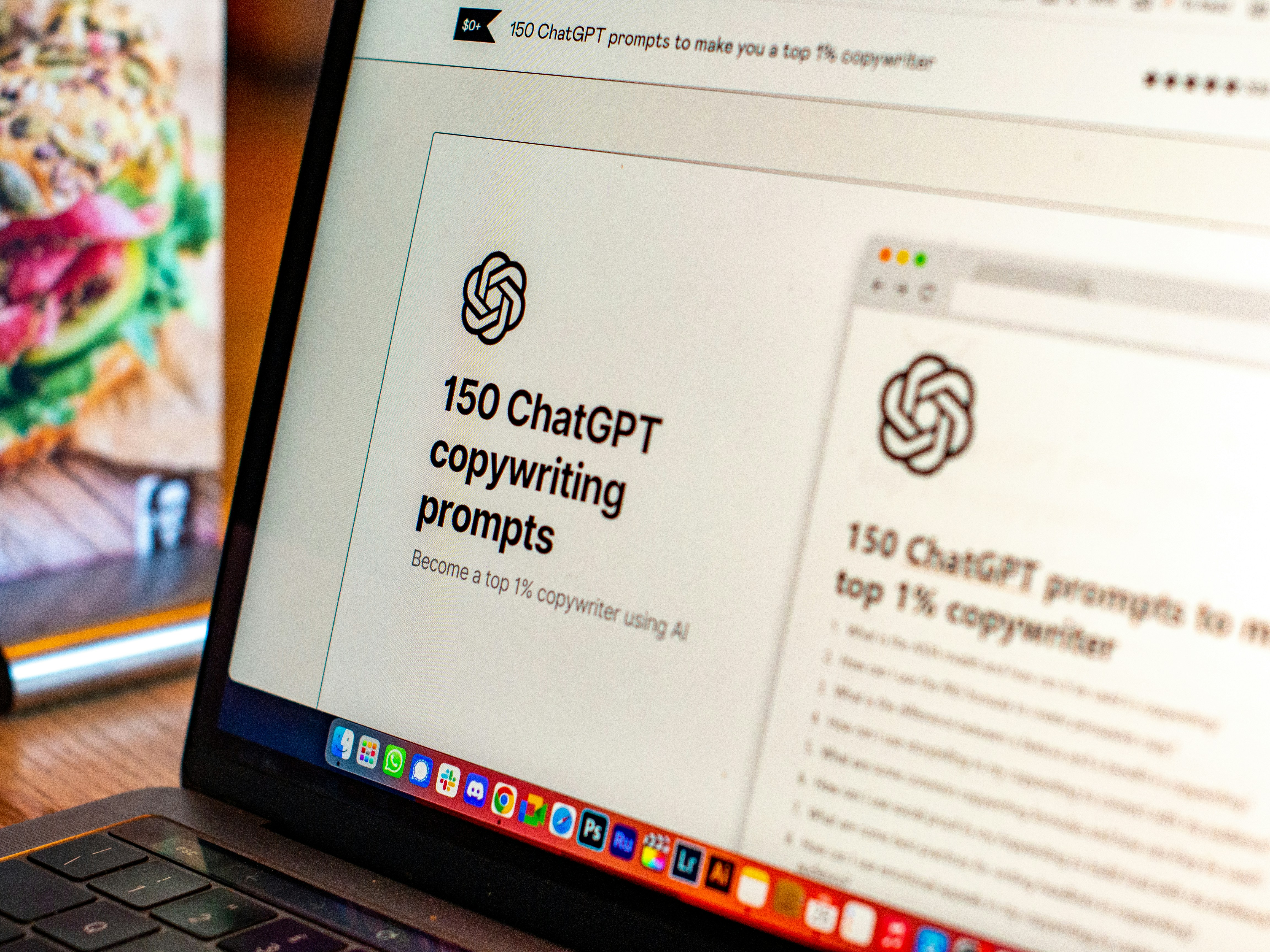
ChatGPT has gained recognition as an interactive tool for generating ideas, answering questions, and providing explanations for complex topics. Students can benefit from its conversational ability to clarify doubts, brainstorm projects, or even rehearse presentations. As a versatile AI chatbot, ChatGPT can serve as a study companion, offering insights and support in various subjects.
5. Notion
Notion combines note-taking, task management, and database capabilities in one platform. It allows students to create comprehensive notes, track their study schedules, and manage personal projects. Customizable templates and organizational structures within Notion contribute to a conducive study environment, ensuring students can efficiently manage their academic responsibilities.
Comparative Analysis of Best Free AI Tools
As the digital learning landscape continues to evolve, the significance of AI tools for students cannot be overstated. By leveraging the strengths of these tools, students can enhance their productivity, streamline their studies, and overcome academic challenges. Below is a comparative analysis of some of the most effective free AI tools available in 2023, allowing students to make informed decisions based on various parameters.
1. Tool A: Language Assistant Ease of Use: User-friendly interface with intuitive navigation. Features: Offers grammar checking, paraphrasing, and language translation. Compatibility: Works seamlessly with browsers and word processors. User Feedback: Highly rated for efficiency and accuracy.
2. Tool B: Study Organizer Ease of Use: Simple setup process, though may require initial learning. Features: Provides task scheduling, reminder notifications, and progress tracking. Compatibility: Accessible via mobile and desktop devices. User Feedback: Commended for improving time management skills.
3. Tool C: Research Helper Ease of Use: Moderate; requires a brief acclimatization period. Features: Assists in finding research materials and citation generation. Compatibility: Integrates with most academic databases. User Feedback: Beneficial for extensive research projects.
4. Tool D: Note-taking App Ease of Use: Highly intuitive with customizable options. Features: Includes multimedia support and collaboration options. Compatibility: Supports various formats and devices. User Feedback: Praised for enhancing collaborative learning.
This comparative analysis serves as a valuable resource for students seeking to optimize their academic experience through the use of AI tools. Each tool presents unique advantages, catering to different educational needs. As AI technology continues to develop, students should remain discerning in their choices, leveraging the insights derived from this assessment to select tools that best meet their requirements.
Benefits of Using AI Tools in Education
The integration of artificial intelligence (AI) tools into the educational landscape presents a myriad of advantages that can significantly enhance students’ learning experiences. One notable benefit is improvement in productivity. AI tools can automate administrative tasks, allowing educators to dedicate more time to teaching and less to paperwork. A report from the McKinsey Global Institute indicates that AI has the potential to boost productivity in educational institutions by up to 40%, thereby impacting the effectiveness of teaching.
Moreover, AI tools facilitate enhanced understanding of subjects through adaptive learning technologies. These systems analyze individual learner data and customize the educational content to suit each student’s pace and style. For instance, platforms like Khan Academy and Coursera utilize AI-driven recommendations to provide tailored learning paths, which research has shown to increase the retention of information by approximately 20% compared to traditional lectures.
Increased engagement is another significant advantage. AI can create interactive and immersive learning experiences through gamification and virtual simulations, motivating students to participate actively in their education. According to a study published in the International Journal of Educational Technology, students using AI-driven engagement tools showed a 30% increase in the likelihood of completing assignments and participating in discussions.
Finally, AI tools save valuable time for both teachers and students. By streamlining repetitive tasks such as grading and providing instant feedback, these technologies free up time that can be better spent on developing critical thinking and problem-solving skills. In this fast-paced educational environment, leveraging AI can be transformative, allowing both learners and educators to maximize their potential and foster a more effective learning atmosphere.
Potential Drawbacks of AI Tools
While AI tools for education offer numerous advantages, it is crucial to consider the potential drawbacks that must be addressed to ensure their effective integration into learning environments. One significant concern is the risk of over-reliance on technology. Students may become accustomed to relying solely on AI-driven platforms to perform tasks, such as completing assignments or answering questions, potentially undermining their critical thinking and problem-solving skills. Instead of engaging with the learning material, students might begin to seek shortcuts through AI assistance, which can hinder their academic growth.
Another important issue is data privacy. As educational institutions increasingly adopt AI tools, sensitive student information is often collected and analyzed to provide personalized learning experiences. However, this raises questions about how this data is stored, who has access to it, and how it may be used. Students and parents alike may be concerned about the potential misuse of personal information, including the risk of data breaches or unauthorized sharing of data with third parties.
Moreover, while AI tools can enhance learning, they should not replace the essential role of human intervention in the educational process. Teachers and educators are invaluable resources who provide guidance, mentorship, and emotional support to students. The nuanced understanding of student needs, motivations, and challenges is something that AI systems may struggle to replicate fully. As such, it is vital that educators use AI tools as a supplement to their teaching rather than as a replacement. Striking the right balance between leveraging technology and maintaining the human element of education is crucial to ensuring that students benefit from the best of both worlds.
Expert Insights: How Educators Are Incorporating AI
The integration of artificial intelligence (AI) in the educational sector has gained significant momentum in recent years, with various educators and technologists exploring innovative ways to harness its potential. AI tools are being used to enhance personalized learning experiences, automate administrative tasks, and facilitate deeper student engagement. According to Dr. Emily Raines, an education technology specialist, AI enables educators to tailor their teaching methods to meet individual student needs by analyzing learning patterns and performance data. This personalized approach not only improves student outcomes but also fosters a supportive learning environment.
Successful implementations of AI in classrooms are becoming increasingly evident. For example, Mr. James Carter, a high school teacher, shared his experience with AI-driven platforms that offer interactive learning modules. He noted that students are more motivated when engaging with content delivered through gamification, with AI tracking their progress and adjusting the complexity of tasks accordingly. Furthermore, AI systems allow educators to receive real-time feedback on student comprehension, assisting them in adjusting lesson plans on the fly and enhancing overall classroom effectiveness.
However, the integration of AI is not without its challenges. Many educators express concerns about data privacy, accessibility, and equitable access to technology. Dr. Alicia Mendoza, a technology advocate, highlights that while AI can provide significant advantages, it is crucial to address these concerns to ensure that AI tools are equitably available to all students. Teachers require robust training to effectively utilize AI tools, which brings to light the need for comprehensive professional development programs focused on technology integration.
As educators continue to explore the potential of AI in improving educational outcomes, it is essential to balance innovation with responsibility. The successful implementation of AI tools requires collaboration among teachers, administrators, and technology developers to create a productive learning environment that prioritizes student success while addressing potential challenges.
Frequently Asked Questions about AI Tools for Students
As the utilization of artificial intelligence tools continues to grow among students, several questions often arise concerning their application, effectiveness, and security. This section aims to address common inquiries to provide clarity and guidance for students considering the integration of these tools into their academic pursuits.
1. What are the best AI tools available for students in 2023?
Several AI tools have garnered attention in 2023 for their effectiveness and usability. Popular choices include AI-driven writing assistants like Grammarly and QuillBot, which help enhance writing skills and improve grammar. For research purposes, tools like ChatGPT and Google AI can assist in generating ideas and providing comprehensive information quickly. Additionally, platforms like Duolingo and Khan Academy utilize AI to offer personalized learning experiences, making them excellent resources for language learners and students in various subjects.
2. How can students effectively use AI tools?
To maximize the benefits of AI tools, students should begin by identifying their specific academic needs. For instance, those struggling with writing could focus on grammar checking and style improvement features. It is also advisable to combine AI tools with traditional learning methods; for example, using AI to brainstorm ideas while conducting thorough research from credible sources enhances learning outcomes. Ensuring regular practice and engagement with these tools will enable students to leverage AI technologies effectively.
3. Are AI tools safe to use in terms of data security?
Data security is a valid concern when using AI tools. Students should choose tools that prioritize user privacy, employing strong encryption measures to protect sensitive information. It is essential to review the privacy policies of each service and ensure they adhere to data protection regulations. Generally, reputable AI providers work diligently to secure user data, but vigilance and responsibility in managing personal information are imperative.
4. Do AI tools genuinely enhance academic performance?
The effectiveness of AI tools can vary among individuals, but numerous studies suggest that when used correctly, these tools can significantly enhance academic performance. Students report improved writing clarity, better research insights, and tailored learning experiences when integrating AI into their study routines. Ultimately, the positive impact of AI tools hinges on the student’s commitment to utilizing them effectively and responsibly.
Conclusion: Actionable Takeaways and Future of AI in Education
As we have explored throughout this blog, the integration of artificial intelligence (AI) tools in education presents numerous advantages for students in 2023. These innovative tools, whether for enhancing learning efficiency, facilitating research, or providing personalized feedback, open up new avenues for academic success. With the increasing availability of free AI resources, students can easily access technologies that were once considered exclusive or costly.
Implementing these tools into daily study routines can markedly improve productivity and comprehension. For instance, resources like AI-powered tutoring systems and smart writing assistants can help students develop a stronger grasp of concepts and refine their communication skills. Moreover, the assistance provided by these tools in managing time and organizing information is invaluable in today’s fast-paced educational environment.
Looking to the future, the role of AI in education is expected to expand further. As technology continues to evolve, we anticipate advancements that will enable even more sophisticated personalized learning experiences. Innovations in machine learning and natural language processing will likely lead to smarter educational platforms, adaptive learning environments, and enhanced interactive learning modules. This evolution underscores the importance of students remaining proactive, incorporating AI into their studies, and preparing for a future where such tools are ubiquitous.
In closing, the ongoing advancements in AI present both challenges and opportunities in educational settings. By engaging with the best free AI tools available, students are better positioned to succeed academically in an increasingly competitive landscape. We encourage readers to explore and experiment with these technologies, as they not only enhance their educational experience but also prepare them for real-world applications of AI. As we forge ahead, the intersection of education and technology promises exciting developments that will undoubtedly transform the learning landscape.